When a Forex robot stops trading during a power outage, a computer update or a home internet failure, the problem is not the strategy. It is the infrastructure. A good VPS analysis for Forex starts by understanding that the server does not promise profits. It keeps MetaTrader and your EAs available to execute the rules you have defined, without depending on your computer staying on.
For traders who trade manually, use Expert Advisors, follow signals or keep more than one account connected, a VPS can reduce interruptions and make the routine more predictable. However, the choice should not be based only on the lowest price or the largest amount of memory advertised. Latency, location, stability, operating system and support have a direct impact on the experience.
What a VPS changes in Forex trading
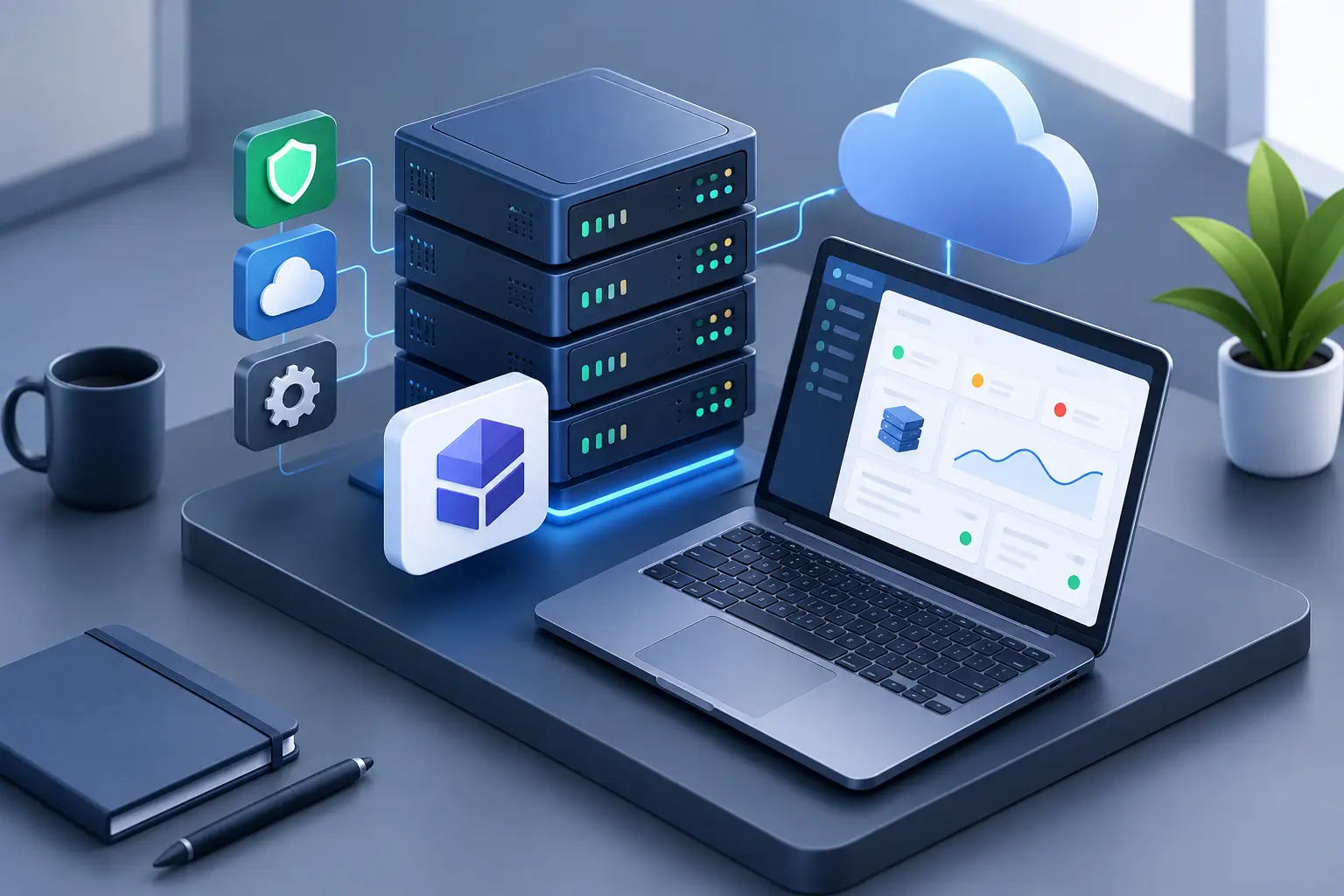
A VPS is a virtual server accessed remotely, usually through Remote Desktop on Windows. On it, the trader installs MetaTrader 4 or MetaTrader 5 and configures indicators, robots, scripts and alerts. After that, the platform keeps running even if the laptop is turned off or the local connection becomes unstable.
The most practical gain is continuity. An EA programmed to open, close or manage positions needs to be running at the right moment. If the terminal is closed, frozen or disconnected from the broker, the rule will not be sent. In strategies that depend on specific times, breakouts or automatic risk management, a few minutes of downtime can completely change the expected result.
This does not eliminate market risks, slippage, variable spreads, broker failures or configuration errors. The VPS takes care of the availability layer of the trader's environment. Strategy, risk management and broker selection remain separate decisions.
VPS analysis for Forex: start with latency
Latency is the time a data packet takes to travel between the VPS and the broker's trading server. For Forex, the decisive point is not the distance between the VPS and your home. It is the network distance between the VPS and the broker's infrastructure.
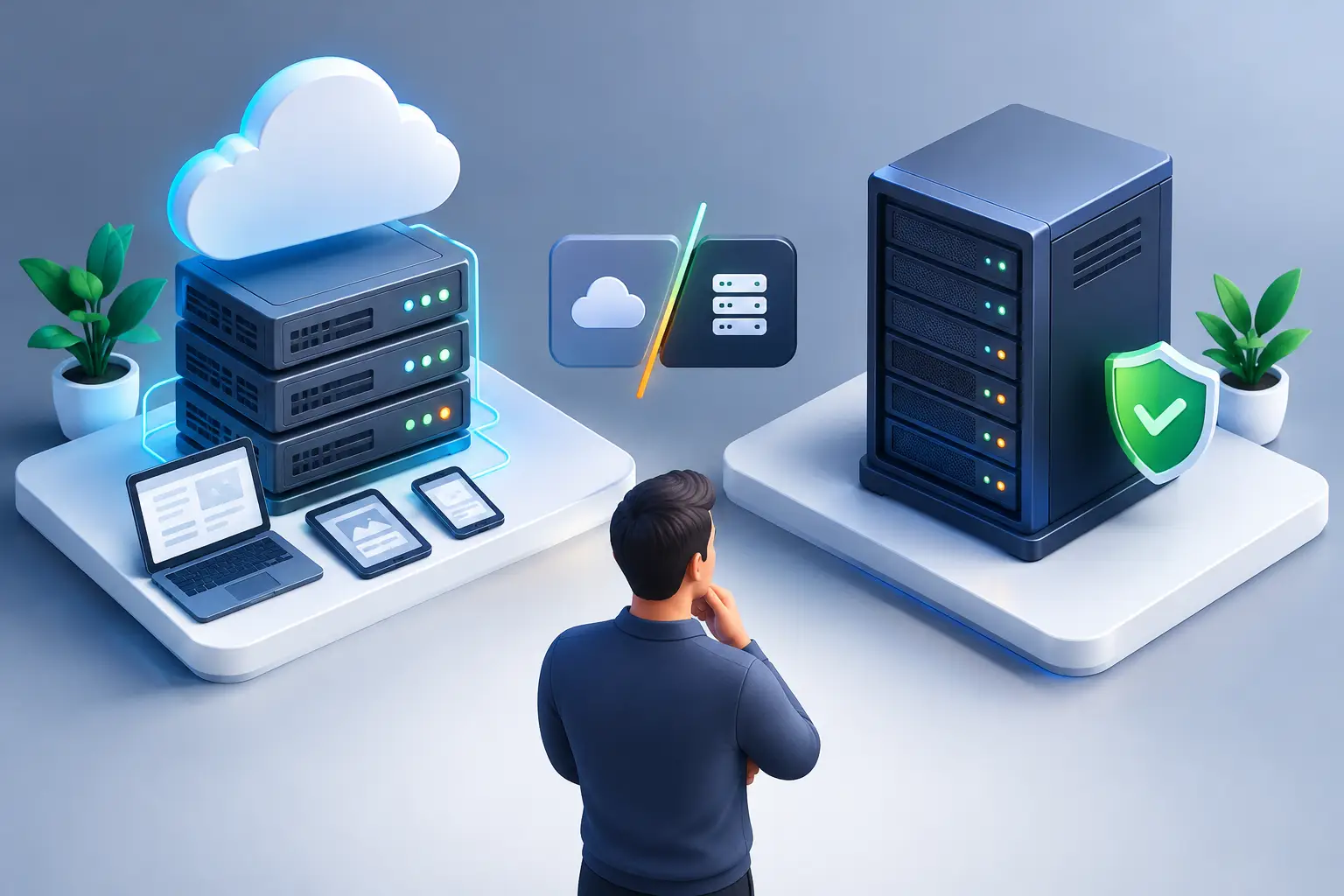
If the broker keeps servers in London, for example, a VPS in Europe tends to be a logical option for shorter routes. If your operation is linked to a broker with infrastructure in Brazil, a Brazilian VPS may make more sense. A location in Canada may suit specific cases well, but it should not be chosen by assumption. The best approach is to identify the server used by your account and test the connection when possible.
In MetaTrader, the connection shown in the terminal gives a reference ping. This number should be analyzed together with stability: a low ping that varies a lot or drops frequently is not as useful as a consistent connection. For position trading or robots working on H1, H4 and daily charts, a few extra milliseconds rarely decide the result. In execution-sensitive strategies, such as high-frequency scalping, every detail of the route, the broker and the account type matters more.
It is also worth checking whether the broker accepts the intended trading style. There is no point in contracting a VPS very close to the server if the broker's policy restricts certain EAs, limits orders or offers execution that is incompatible with the strategy.
Technical resources: how much does the VPS need?
MetaTrader alone does not usually require a very large machine. Consumption increases as more charts, heavy indicators, extensive histories, EAs, simultaneous terminals and other applications are added. An undersized VPS may show freezes, delays in updating quotes and slowness when opening or modifying orders.
For a simple operation, with one terminal and a few robots, an entry-level configuration may be enough. For several accounts, multiple MT4 or MT5 instances and more demanding automation, it is prudent to contract more RAM and vCPUs. NVMe SSD storage also helps the system start, load histories and respond better to simultaneous tasks.
There is no universal configuration. Before contracting, make an objective inventory: how many terminals will stay open, how many charts each one will use, which robots will run and whether other programs will be on the server. Running a browser with many tabs, spreadsheets or heavy tools on the same trading VPS consumes resources and creates unnecessary variables.
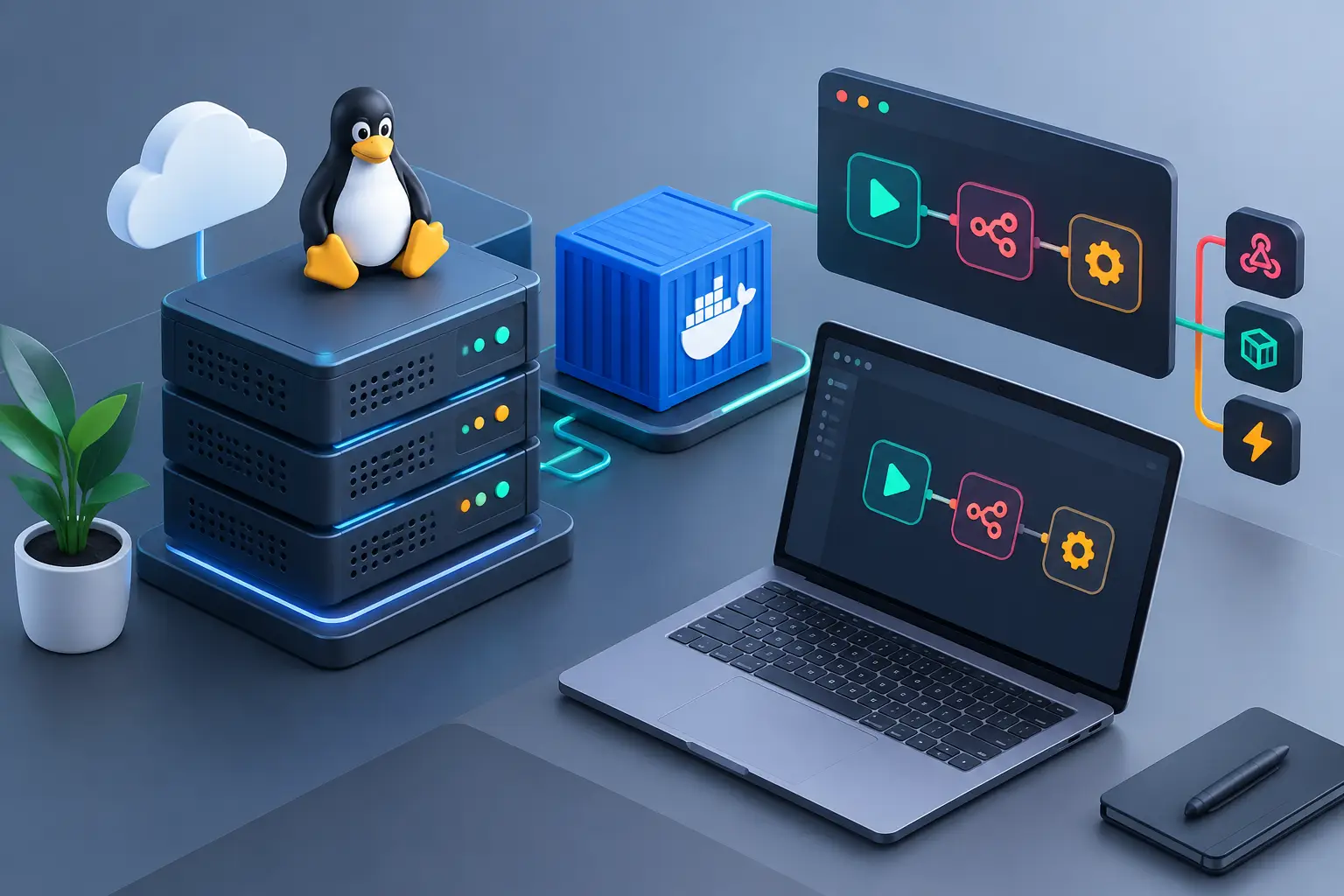
On Windows, also consider the operating system and access via RDP. The interface makes management easier for those already used to a desktop environment, including installing plugins and EAs. On Linux, it is possible to create more economical and customized environments, but running MetaTrader may require additional compatibility layers. For most traders who want practicality, a Windows VPS usually reduces the initial complexity.
Uptime, monitoring and recovery make a difference
A Forex server needs to stay active, but no reputable provider should sell the idea of absolute availability. Maintenance, network incidents, critical updates and external problems can happen. What distinguishes an adequate infrastructure is the quality of monitoring, the speed of response and the resources used to minimize interruptions.
Look for plans with stable infrastructure, Anti-DDoS protection, reliable storage and accessible technical support. Protection against attacks does not replace the security of your trading account, but it helps preserve the availability of the environment against threats aimed at the network. Unlimited traffic also removes concerns about data caps in an operation that depends on a continuous connection.
In daily routine, the trader should monitor the terminal. Check whether the MetaTrader connection icon is active, whether the EAs are enabled and whether the logs do not show recurring errors. Set up mobile alerts when the strategy allows it, and keep copies of configuration files, templates and robots. If you need to migrate or rebuild the environment, this organization reduces downtime.
Updates deserve special attention. Windows, MetaTrader and the EAs themselves may update and request a restart. Set a maintenance window outside the critical hours of your strategy. Disabling all updates indefinitely can create security risks; updating without planning can interrupt an operation. The safest path is to control when these changes happen.
VPS and trading account security
A weak password for remote access turns a VPS into an easy target. Use long, unique credentials, change default passwords, limit access to the users who need it and keep the system updated. When available, additional authentication features should be evaluated to protect the management panel and linked services.
VPS security does not replace the protection of your broker account. Avoid saving passwords in text files, do not install programs from unknown sources and review the permissions of EAs and scripts. A robot may have access to send orders, so it should be tested on a demo account or in a controlled environment before receiving a live account.
It is also worth separating environments. If you develop or test strategies, do not mix experimental files in the same installation used to trade real capital. Keeping one instance for testing and another for production reduces operational errors and makes it easier to identify the source of a problem.
How to validate the VPS after activation
Immediate activation is useful, but contracting is only the first step. Once you receive your access details, connect to the server, update whatever is needed and install a clean copy of the platform. Then log in to the correct account, confirm the broker's server name and compare the displayed time with the time expected by your strategy.
Next, check the ping at different times of the day, open the charts used by the robot and monitor CPU and memory consumption. If there are several EAs, install one at a time. This process prevents a configuration error from being mistaken for a VPS limitation. Before moving an automation to a live account, let it run on a demo account long enough to observe reconnections, logs and behavior after a restart.
HostMF offers Windows and Linux VPS in locations such as Brazil, Canada and Europe, which allows you to choose the structure closest to your operational needs and adjust resources as the operation grows. To compare plans, the best criterion is to combine location, resources and support, not just look at the monthly price.
A well-chosen VPS keeps the infrastructure less visible day to day: the terminal stays available, the robot executes what was programmed and you gain time to focus on what really determines a trading outcome: method, risk and discipline.